
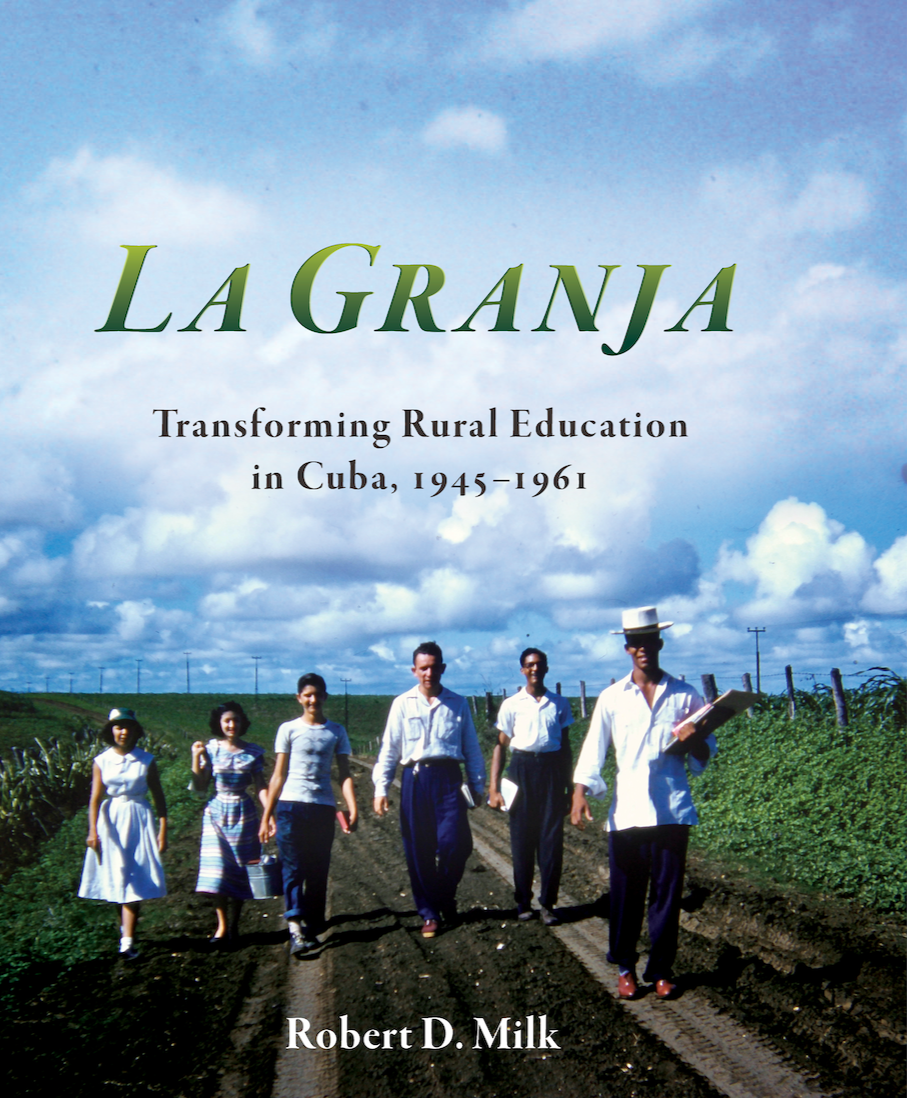
La Granja, Transforming Rural Education in Cuba 1945-1961
by Dr. Robert D. Milk
La Granja: Transforming Rural Education in Cuba, 1945–1961 tells the story of Escuela Agrícola e Industrial, a school rooted in the Cuban countryside and the lives it shaped. Founded in 1945 on abandoned sugarcane land, the school—known to rural youth simply as La Granja—offered an education grounded in dignity, work, and possibility.
Guided by aprender haciendo (learn by doing), it combined training, study, and community life to prepare young people for leadership in an unequal rural landscape. Drawing on archival research, photographs, correspondence, and firsthand testimony, Robert D. Milk traces La Granja’s evolution from ambitious experiment to internationally recognized model. Set against forces shaping mid-century Cuba, this book shows how one school reshaped ideas of learning, labor, and social responsibility.
Both historical record and personal account, La Granja preserves the legacy of a place where education was lived daily—and where a brighter future for rural Cuba was, for a time, collectively imagined.
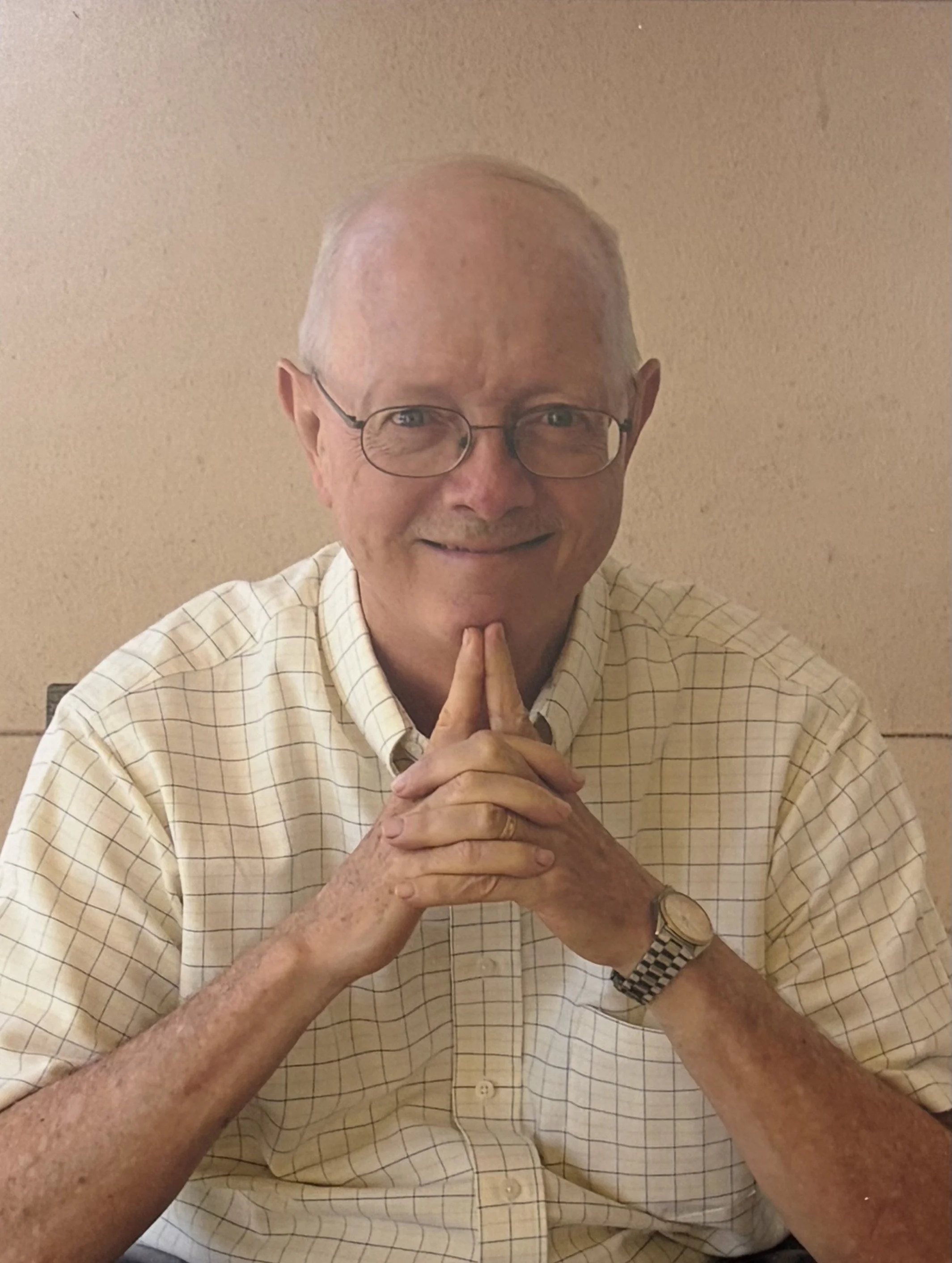
About the Author
Robert D. Milk, Ph.D., (Professor Emeritus, UTSA) majored in history at Stanford University, then joined the Peace Corps, where he served in a teacher-training project in Peru. During his years at Tumbes Normal School along the northern border, he married a talented preschool teacher, Rosa María Larnia.
The couple moved to Monterey, California, where they worked as educators for several years while raising two sons, Robbie and Andy. In 1976, Milk obtained a Ph.D. Fellowship at Stanford focusing on Bilingual Cross-Cultural Studies. After completing his doctoral degree, Milk joined an innovative new program at University of Texas San Antonio (UTSA) focusing on his area of specialization. A decade later, he was appointed Director of the Bicultural-Bilingual Studies Department, a position he held until retiring in 2012. Under his leadership, the Mexican American Studies Program (MAS) was founded, as well as a new Ph.D. program in Culture, Literacy and Language.
Robert D. Milk grew up at the Escuela Agrícola e Industrial, an agricultural school in rural Cuba, and long dreamed of documenting its remarkable story. Telling it required examining Cuba’s early history—including decades of control by U.S. corporate interests—alongside the story of how his parents’ expertise in agriculture, home economics, and active learning transformed abandoned land into a widely recognized school. Milk brings his own passion for history, his father’s deep belief in agriculture’s power to improve rural lives, and his mother’s conviction that the most effective approach to learning comes from “Learning by Doing” to this telling.